Mapping the Gentle Variations of a Familiar Path
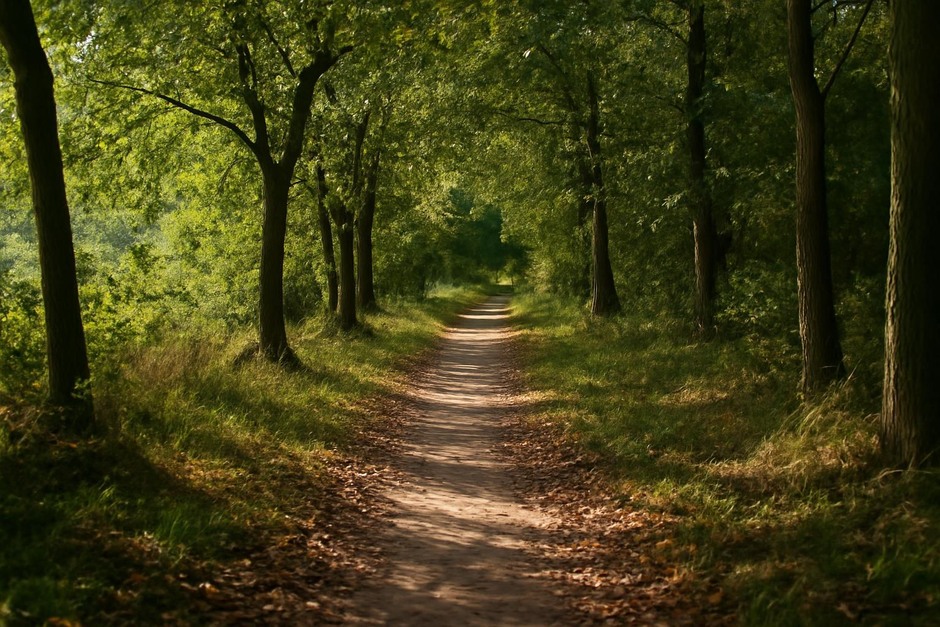
On a five-minute route you know by heart, the world changes enough to keep returning. The same bench, gatepost, and bend can tell different stories on two mornings in a row if you look for the small shifts: a patch of damp, a bird that pauses longer, a color that has deepened. This piece is a practical set of lenses for mapping those gentle variations—four themes to structure observation and to turn a familiar walk into an ongoing study.
1. Microclimates: small weather where you stand
Principle: Weather is not only regional; it is localized. A tree canopy, a sun-facing slope, or a paved stretch creates measurable differences in temperature, humidity, wind, and surface moisture.
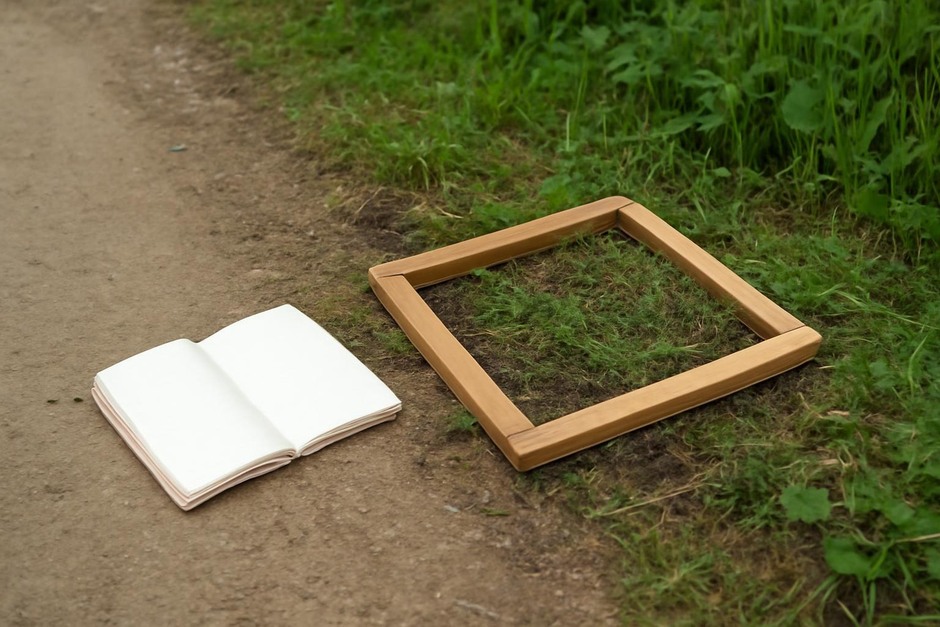
Example practice: Choose three short checkpoints on your route—a spot under a large tree, a south-facing curb, and an open grassy verge. At each, note the feel: cooler or warmer, damp or dry, breezy or still. Record these notes at the same clock time across several mornings to build a mini-map of microclimates.
Why it matters: These local differences explain where frost lingers, where spring flowers open first, and where certain insects gather. Noticing them develops an intuitive sense of how broad weather patterns interact with immediate place.
2. Light and color: the geometry of shade
Principle: Daylight is directional and sculptural. The angle of sun and thickness of cloud alter not only brightness but the color temperature and contrast of surfaces.
Example practice: On one leg of the walk, stop for a full minute and focus on one tree trunk or a patch of pavement. Sketch a quick note or mental image of the dominant tones—warm gold, neutral gray, cool blue—and where the deepest shadow falls. Repeat the exercise at the same spot during different times of day or under varied sky conditions.
Why it matters: Tracking these shifts clarifies how seasonal light changes affect plant behavior and human perception. A leaf that looks dull in flat light may flare into vivid green in low-angle sun; a streambed that seems brown on an overcast day reveals mottled stones when light slants across it.
3. Textures and thresholds: what you step on and brush past
Principle: The small tactile differences along a path—grit, leaf litter, compacted soil—are records of use, weather, and plant life. They change incrementally and can be sampled without instruments.
Example practice: Each time you pass the same stretch of path, take a single tactile measurement with your shoe or fingertips: soft, firm, sticky, powdery. Note any edges where materials change—a patch where mulch meets grass, a cracked lip of pavement, a tuft of moss on a north-facing rock. Over weeks, these thresholds often shift in predictable ways: leaf litter accumulates in windward corners, soil compacts on the inner curve of a path.
Why it matters: These texture notes help explain animal movement and plant establishment. Where soil remains loose, seeds take root more easily; where compacted, certain weeds dominate. Paying attention to thresholds connects your perception to processes you can observe and test.
4. Sound and timing: the rhythm of living things
Principle: The acoustic character of a place carries temporal information. Bird calls, insect buzz, distant traffic, and the creak of a particular gate open and close on rhythms tied to weather, season, and human patterns.
Example practice: Stand quietly for sixty seconds at a chosen marker and catalog audible elements: species calls, rustle frequency, water sounds, or anthropogenic notes like a lawn mower. Over days, note the order and timing—does a robin call before sunrise on cool mornings? Do insects begin earlier on warm afternoons?
Why it matters: Soundscapes are often the first indicators of seasonal transitions and subtle ecological shifts. They also reveal human impact: a new engine hum or construction noise alters the temporal pattern and can be recorded easily alongside other observations.
Measured conclusion
Turning a habitual walk into a series of small experiments deepens both knowledge and appreciation. Microclimates teach you where to expect certain plants; light studies reveal color and form; texture notes explain usage and growth; soundscapes map life’s timing. Each theme is a simple rule of attention: pick a spot, observe deliberately, and repeat. Over weeks and seasons those small, repeatable acts of noticing accumulate into a personal map of place—quiet evidence that the ordinary landscape is always changing if we let it teach us.